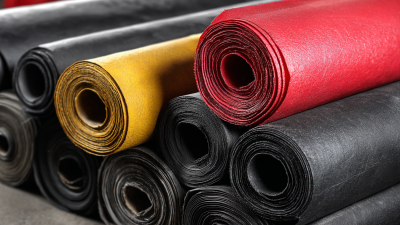
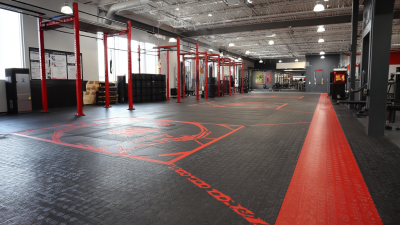
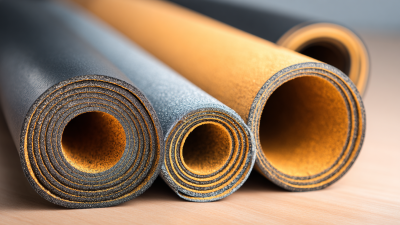
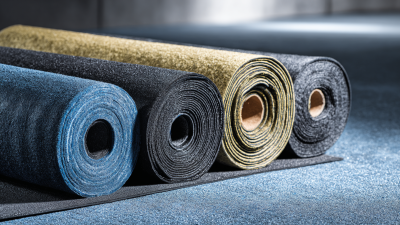
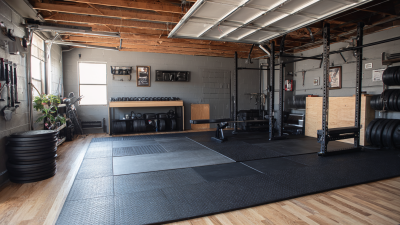
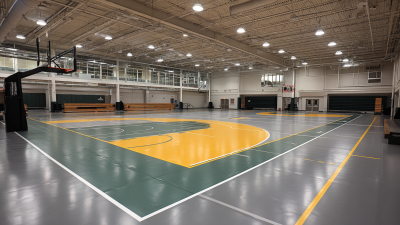
In today’s fast-changing world of industrial applications, using Rubber Roll has really become a game-changer. It offers some pretty impressive perks across a bunch of sectors—think sports and fitness, for starters. As brands look to create safer and more innovative spaces, companies like Sanhe Do It The Way Sporting Industrial Co., Ltd. are leading the charge. They’re offering top-notch solutions under the FITFLORbrand, perfect for sports venues, gyms, and training centers. Industry reports even suggest that demand for Rubber Flooring is expected to grow at about6.5% annually between 2021 and 2026. That’s mainly because of its durability, safety features, and how good it looks. Using Rubber Roll not only boosts how well a space functions but also helps make gyms and training areas feel more welcoming and inviting—pretty important for effective workouts, right? As businesses aim for nothing but the best, really understanding the different benefits of Rubber Roll is key to improving performance and satisfying a diverse range of clients.
Advantages of Rubber Rolls in Manufacturing Processes
Lately, rubber rolls have become pretty much a staple in modern manufacturing. They’ve got a bunch of advantages that help boost efficiency and get stuff done faster. One of the main perks? Their knack for providing a really good grip and traction on conveyor systems. If you’ve seen reports like the one from Markets and Markets, they say the conveyor system market is expected to hit around USD 8.3 billion by 2025 — all because everyone’s trying to make their production lines more efficient. Rubber rolls are great at preventing slippage, which means less downtime and smoother operations overall. That translates to more stuff getting through the line without a hitch, which is always a good thing.
Not to mention, rubber rolls are super resistant to wear and tear. That makes them a pretty cost-effective choice for manufacturers. The American Society for Testing and Materials (ASTM) points out that rubber tends to resist abrasion quite a bit better than many other materials out there, so they last longer and don’t need replacing as often. Plus, a study in the Journal of Manufacturing Processes suggests that using rubber rolls can cut maintenance costs by up to 30%. That’s a pretty solid economic benefit, especially in busy industrial settings. Thanks to their durability and good damping properties, rubber rolls find their way into all sorts of industries — from food processing to heavy machinery — basically anywhere you need reliability and long-lasting performance.
Role of Rubber Rolls in Reducing Equipment Wear and Tear
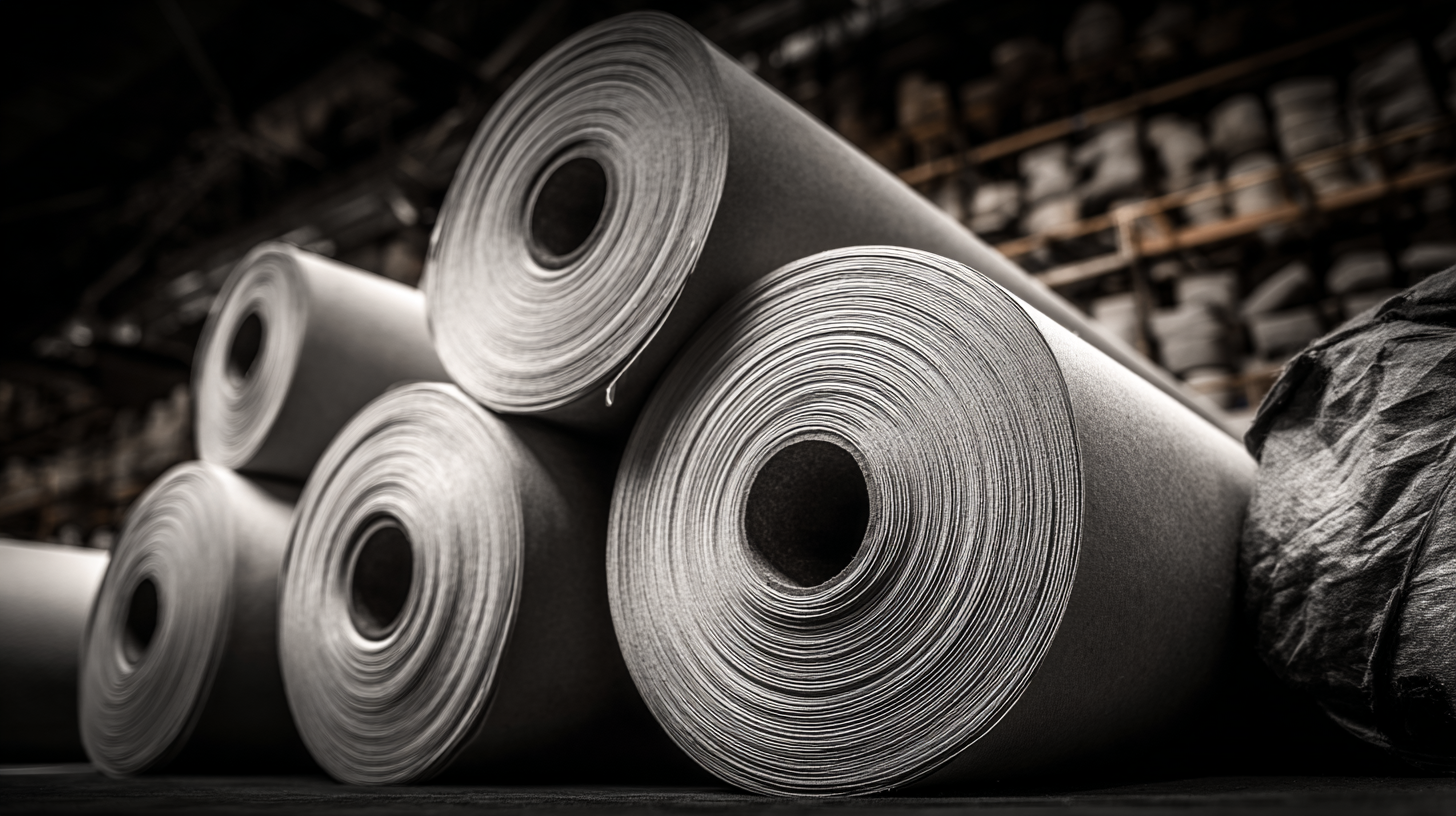 Rubber rolls have become increasingly essential in modern industrial applications, primarily due to their effectiveness in minimizing equipment wear and tear. According to a report published by the National Institute of Standards and Technology, approximately 30% of machinery downtime can be attributed to component failure caused by excessive wear. The unique properties of rubber, such as its elasticity, damping capabilities, and friction characteristics, significantly mitigate this issue. By absorbing shock and minimizing vibration during production processes, rubber rolls extend the lifespan of machinery, ensuring smoother operations and reducing maintenance costs.
Additionally, the use of rubber rolls can lead to increased productivity by optimizing equipment performance. A study by the American Society of Mechanical Engineers indicated that industries employing rubber components reported a 15% decrease in emergency repairs and an increase in throughput rates by up to 20%. This economic advantage makes rubber rolls an attractive investment for businesses aiming to enhance their operational efficiencies while reducing long-term expenditures.
Tips: To maximize the benefits of rubber rolls, ensure proper installation and regular maintenance checks. Monitoring for signs of wear can prevent unexpected downtime. Additionally, choosing the right rubber formulation based on your specific industrial needs can further enhance performance and life expectancy.
Enhanced Safety Features of Rubber Rolls in Industrial Settings
You know, rubber rolls are really starting to take center stage in a lot of modern industrial settings, and honestly, it's because of their better safety features. Using rubber in manufacturing environments can really cut down on accidents that happen around mechanical parts. Unlike metal or plastic ones, rubber rolls have a softer surface, which helps prevent injuries if someone accidentally bumps into them. That cushioning isn’t just a nice little perk — it’s pretty important when you're handling heavy stuff, because it lowers the chances of hurting people or damaging equipment.
And here’s another thing — rubber rolls grip like heck! They give you that extra traction you need to avoid slips and falls. When heavy machinery is involved, having a surface you can rely on makes a huge difference. The non-slip qualities of rubber not only keep things stable while they move but also cut down on vibrations, making the whole workspace safer. Basically, bringing rubber rolls into the mix isn’t just about safety — it’s about creating a safer vibe for everyone on the team and showing that safety really matters.
Cost-Effectiveness of Using Rubber Rolls in Operations
You know, rubber rolls are really becoming a go-to in today's industrial world, mostly because they offer such great value for the money. These things, often found in manufacturing setups, help cut down on maintenance costs and reduce those frustrating downtimes we all hate. Plus, they’re built tough—standing up to tough working conditions—so they tend to last way longer than your usual materials. When companies switch to rubber rolls, they typically end up replacing them less often, which means saving a good chunk of change and giving their budgets a bit of breathing room.
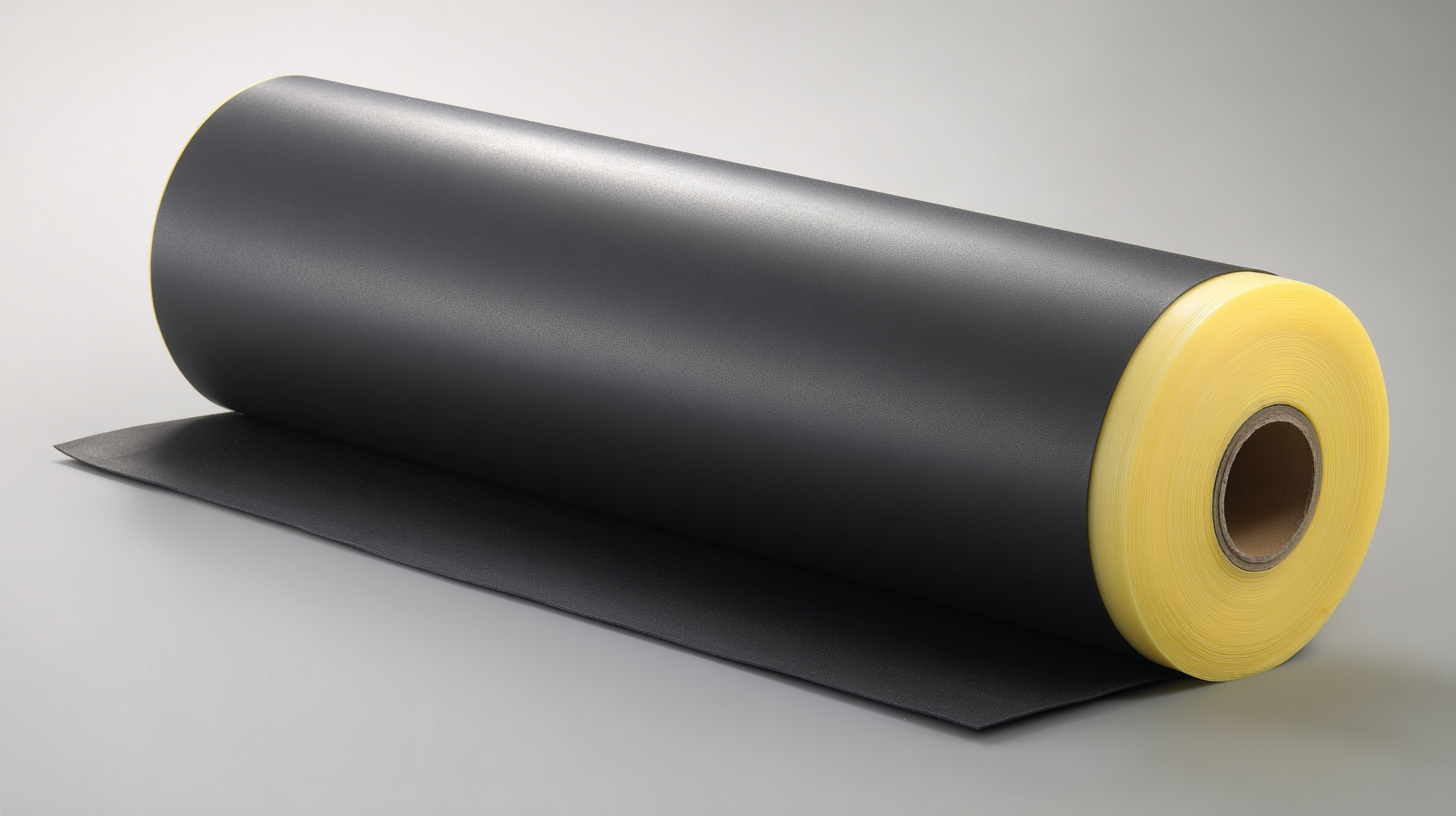
And honestly, the best part? Rubber rolls are super versatile. They’re not just for one thing; they work well in all sorts of applications, from handling materials to running conveyor belts. Their grip and cushioning help machines run smoother and safer, which boosts overall productivity. Not only does that mean more stuff gets made, but it also means fewer damaged products—that’s a big win for saving money, especially on materials. As industries look for smarter, more budget-friendly solutions, it’s clear that rubber rolls are a practical and sensible choice—fitting right into the goal of making more profit with less hassle.
Environmental Benefits of Rubber Rolls in Modern Industry
You know, rubber rolls are really gaining recognition these days for the environmental perks they bring to modern industry. One of the biggest wins? Durability. Honestly, these things last way longer than traditional materials, which means less waste piling up from constantly replacing worn-out parts. Unlike some stuff that kind of falls apart quickly, rubber rolls can handle rough conditions and still perform well over time. That kind of longevity isn't just about saving money — it also cuts down on material waste and lowers the energy needed for manufacturing and disposal.
Plus, a lot of rubber rolls are made from recycled rubber, which totally lines up with the whole trend towards sustainability. Using recycled materials helps companies rely less on new, virgin resources, and it also keeps tons of waste out of landfills. It’s a win-win because it supports the circular economy and shrinks the carbon footprint involved in making new stuff. As more industries focus on being eco-friendly, switching to rubber rolls seems like a pretty smart move — good for the planet and for business efficiency too.
Versatility of Rubber Rolls Across Various Industrial Applications
You know, rubber rolls have become pretty essential in a whole bunch of industrial settings, thanks to how versatile they are. They come in all sorts of sizes, hardness levels, and surface styles, which makes them super adaptable—whether you're dealing with material handling, printing, or packaging. The cool part? You can customize these rubber rolls to fit exactly what your operation needs. That means they can help reduce friction, give you traction, and control the movement of materials with pretty impressive precision. All of this adds up to smoother workflows and a boost in productivity.
And it’s not just about customization—rubber rolls are also tough as nails. They can handle tough environments, resisting wear and tear, heavy loads, and harsh conditions. That’s why you see them everywhere—on conveyor belts, rollers, or in heavy machinery. Plus, their Shock-absorbing abilities are a real lifesaver—they help cut down vibrations, protecting both the equipment and the products itself. As industries keep evolving and looking for smarter solutions, these rubber rolls are still a key part of keeping everything running smoothly and reliably across different sectors.
Understanding the Benefits of Using Rubber Roll in Modern Industrial Applications
This bar chart illustrates the distribution of rubber roll usage across various industrial applications, showcasing its versatility and importance in sectors such as automotive, textiles, woodworking, food processing, printing, and packaging.
Innovative Solutions for Optimal Performance: Exploring the Benefits of Rubber Track Running Track Surfacing Systems
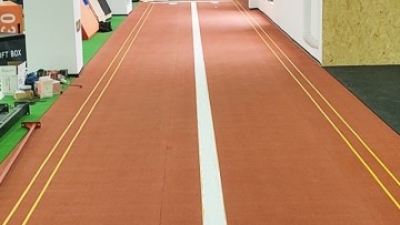
The world of athletics is constantly evolving, and one of the most significant innovations in recent years has been the development of rubber track running track surfacing systems. These advanced surfaces are specially designed to enhance athletic performance while providing a unique running experience that closely mimics outdoor track conditions. By utilizing foamed rubber as the primary material and a double-layer composite vulcanization process, manufacturers ensure that athletes have the support and cushioning they need during intense training sessions.
Rubber tracks stand out due to their ability to accommodate the specific requirements of spiked-running shoes, allowing athletes to achieve optimal grip and stability. The innovative texture and structure of these surfaces create a safe and effective environment for sprinters, enabling them to perform at their best without the fear of injury. This combination of durability and performance makes rubber tracks an ideal choice for schools, sports clubs, and professional training facilities looking to provide athletes with premium training conditions.
FAQS
: Rubber rolls enhance safety in industrial environments by reducing the risk of injuries from impacts due to their softer surface, providing excellent grip and traction to prevent slips and falls, and minimizing vibrations.
They offer a non-slip surface that stabilizes moving parts and reduces the likelihood of accidents, fostering a culture of hazard prevention and improving overall safety standards in the workplace.
Rubber rolls are durable and can withstand harsh conditions, leading to less frequent replacements, which significantly decreases material waste and lowers energy consumption related to production and disposal.
Yes, rubber rolls are often made from recycled materials, which helps reduce reliance on virgin materials and contributes to lower landfill waste.
Their durability results in lower energy consumption as they require fewer replacements, minimizing the energy used in both manufacturing and disposal processes.
By utilizing recycled rubber, companies can support a circular economy and minimize their carbon footprint, aligning with the increasing emphasis on sustainability in various sectors.
Conclusion
You know, Rubber Rolls are really becoming a must-have in today's industrial world. They come with quite a few perks when it comes to manufacturing. For starters, they do a great job at cutting down equipment wear and tear, which means your machines last longer and you don’t have to spend so much on maintenance all the time. Plus, the safety features of Rubber Rolls are no joke—they help make work sites safer and cut down on accidents, which is super important.
On top of that, Rubber Rolls are pretty budget-friendly. They’re durable and can save companies some serious operational costs. They’re also eco-friendly, which is a big plus if you're into sustainable practices. The best part? Their versatility. You can use Rubber Rolls in all sorts of applications. For companies like Sanhe Do It The Way Sporting Industrial Co., Ltd., they’re a game changer for building innovative and efficient training spaces in sports venues and gyms. Honestly, integrating Rubber Rolls just makes sense in today’s industrial scene—they tick so many boxes.